Saving in Gold From £10 a Month: How Small Amounts Add Up


Saving regularly can feel more manageable than setting aside a large amount all at once. If you’re interested in building a holding of gold, a monthly plan can help you make smaller purchases over time.
But a gold plan isn’t the same as a bank savings account. Gold doesn’t pay interest, and its value can change. Here’s how regular saving in gold works, what small contributions mean and what to consider before you start.
What is a gold savings account?
People sometimes search for a “gold savings account” when they mean a way to buy gold little and often. Usually, this isn’t a cash account that pays interest. It’s a plan for purchasing gold regularly.
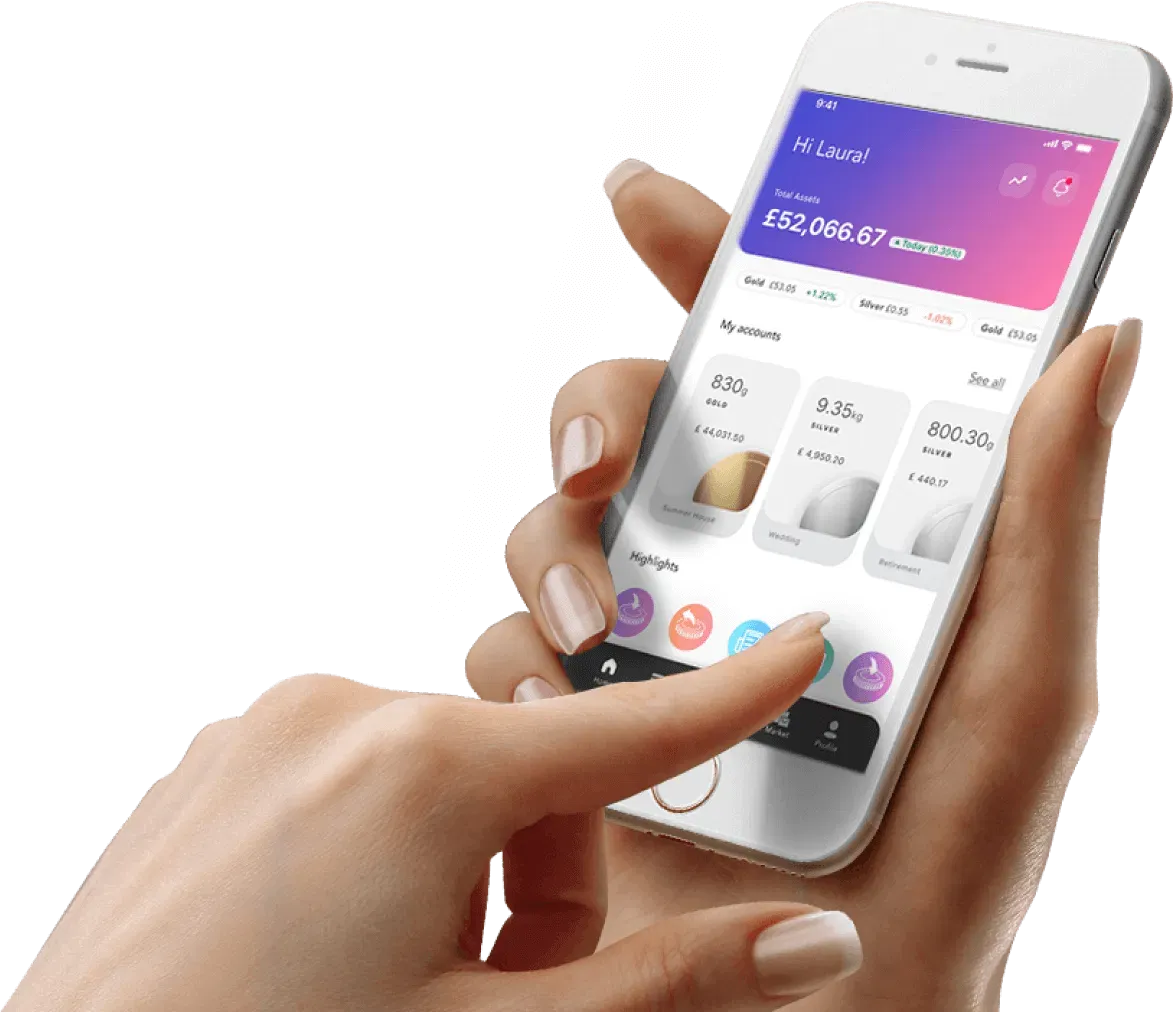
With the Minted App, you can set up a flexible monthly plan from £10, with no contract. You can pause or adjust your plan if your circumstances change. Your payments are used to buy physical gold, which you own and can manage in the app.
Before choosing any provider, check what you’re buying, how ownership works, where the gold is stored and what charges apply.

How small amounts add up
A regular contribution can help you build a saving habit without having to find a large sum at once. For example, paying in £10 each month would mean total contributions of £120 after one year, £600 after five years and £1,200 after ten years.
Those figures show only the amount paid in. They are not forecasts of what your gold might be worth. The value of your holding can move up or down, and applicable costs can affect how much gold you receive or what you get if you sell.
That’s an important difference from putting money into a cash savings account. A cash account may pay interest, depending on its terms and rate. Gold pays no interest. Its value depends on the price of gold when you buy and sell, and you could get back less than you put in.
Make a habit that fits your budget
You don’t need to make a complicated plan. A few simple steps can help you keep your contributions realistic and consistent.
Choose an amount you can maintain
Start with an amount that fits your budget after everyday bills, debt payments and emergency savings. It’s better to choose a manageable amount than to commit to more than you can comfortably afford.
With the Minted App, monthly plans start from £10. There’s no contract, and you can pause or adjust your plan as your needs change.
Link it to a routine
Some people find it useful to set a contribution around payday or another regular date. You could also use a “round-ups” mindset: when reviewing your spending, consider whether a small amount left over fits your budget for saving. You don’t need to stretch your finances to keep a plan going.
Keep the focus on the habit, not the perfect moment
Gold prices change, and it’s difficult to know what they’ll do next. Regular purchases mean you’re buying at different prices over time; they don’t guarantee a profit or protect you from a fall.
Instead of trying to guess the ideal day to buy, focus on whether the amount and timescale suit you. Review your plan if your budget changes, and avoid checking prices so often that short-term movements drive decisions you hadn’t planned to make.
Keep a clear view of costs and goals
Before you start, decide what the gold is for and when you might need access to the money. Gold can be part of a longer-term saving or diversification plan, but it may not fit every goal.
Check the provider’s current fees and buying and selling prices. Costs can affect the amount of gold you receive and the proceeds from a sale. You can review the Minted fees explainer before setting up a plan.
It may also help to make a simple note of your monthly amount and review it occasionally alongside your wider budget. If you’re saving for a child, keep in mind that gold prices can fall as well as rise. Avoid treating a particular future value as certain.
For more background on getting started and comparing ways to buy gold, read our beginner’s guide to investing in gold.
When might saving in gold not suit you?
Gold may not be suitable for money you’ll need soon. If you’re saving for a near-term bill, a house move or an emergency, consider whether an accessible cash option is more appropriate. The price of gold could fall at a time when you need to sell, and selling arrangements and costs may affect how much you receive.
It’s also worth keeping gold in perspective. It doesn’t pay interest, and its price can be affected by many factors. A regular gold plan is not a replacement for an emergency fund or a guaranteed way to grow your money.
If you’re unsure whether gold fits your situation, take time to compare it with other ways to save and invest. You can also read MoneyHelper’s overview of regular savings accounts to understand how cash saving options work.
A steady start, with no promises
Saving a small amount regularly can make it easier to build a habit. A Minted App monthly gold plan starts from £10, has no contract, and can be paused or adjusted as your circumstances change. It gives you a way to buy physical gold over time, rather than trying to choose one perfect moment.
Remember, gold isn’t cash savings and it doesn’t pay interest. Prices can fall as well as rise, and you could get back less than you put in. Consider your budget, your timeframe and the costs before you start. This article is general information, not personal financial advice.