How to Invest in Gold in 2026: A Beginner's Guide (From £10)
Gold can feel like an investment reserved for people with lots of money to spare. But you don’t need to buy a large bar all at once. You can start with a small amount, choose how you buy, and build your knowledge as you go.
This guide explains how to invest in gold in the UK, what to consider before you buy, and how physical gold compares with exchange-traded products. It isn’t personal financial or tax advice: gold prices can fall as well as rise, and you could get back less than you invest.
What’s happening with gold prices?
Gold was reported at around £2,899 per troy ounce at the end of October 2026, down roughly 8% over the month. A price fall can prompt people to consider “buying the dip”, but it doesn’t tell you whether the price will recover or fall further. Read about the reported October move.
Rather than trying to pick the perfect moment, think about your goals, how much you can afford to invest and how gold might fit alongside your other savings. Gold doesn’t pay interest or dividends, and its price can be volatile.
Choose how you want to invest
There are several ways to get exposure to gold. The right one for you depends on whether you want to own metal, how you want to store it and what costs and tax rules apply.
Physical gold
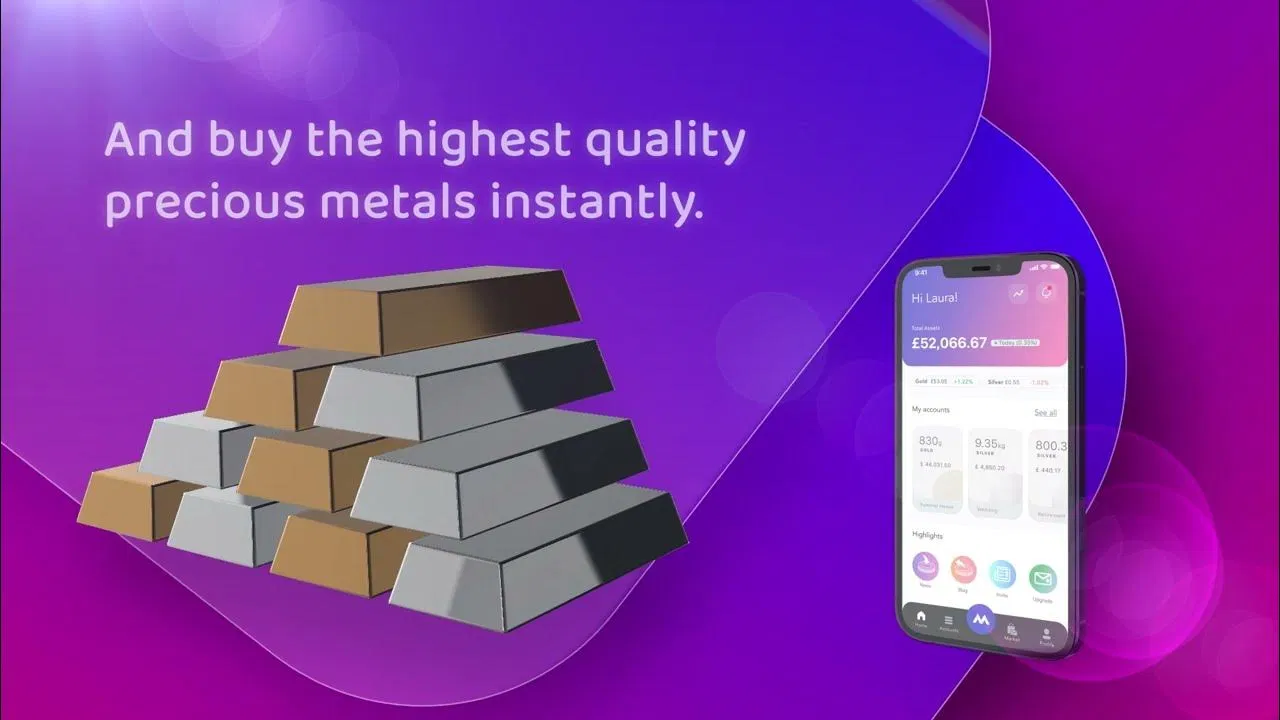
You can buy gold bars or coins from a dealer, or use a service that holds physical gold in a vault on your behalf. With vaulted gold, check how your ownership is recorded, where the metal is stored, how it’s insured and what it costs to sell or arrange delivery.
Coins and bars can have different purchase premiums and resale prices. Smaller pieces may be easier to sell in portions, while larger bars may have a lower premium per gram. Compare the full price, not just the gold spot price.
Gold ETFs and ETCs
Gold exchange-traded products are bought and sold through a brokerage account. In the UK, some products commonly called “gold ETFs” are technically exchange-traded commodities, or ETCs. The legal structure and risks vary by product, so read its key information and prospectus.
An exchange-traded product may be convenient to trade, but it isn’t the same as owning a gold coin or bar directly. Check the ongoing charge, dealing costs, how the product holds or tracks gold, and whether it’s eligible for an ISA with your provider.
How to start investing in gold
A simple plan can help you make a considered choice instead of reacting to every change in the market.
- Decide what you want gold to do. You might be looking to diversify your savings, or you might want direct ownership of physical metal. Gold won’t provide a regular income.
- Choose an amount you can afford. Consider your everyday expenses, emergency savings and any high-interest debt before investing. Don’t invest money you may need soon.
- Compare the whole cost. Look at the purchase premium, selling price or spread, dealing fees, storage, insurance and delivery costs. Check whether any fees change with the amount or type of purchase.
- Choose a buying approach. You could make a one-off purchase or buy smaller amounts over time. Regular purchases can spread out your entry points, but they don’t prevent losses or guarantee a better result.
- Plan how you might sell or access your gold. Check the provider’s selling process, expected timescales and delivery conditions before you buy. Keep your purchase records.
Starting with Minted
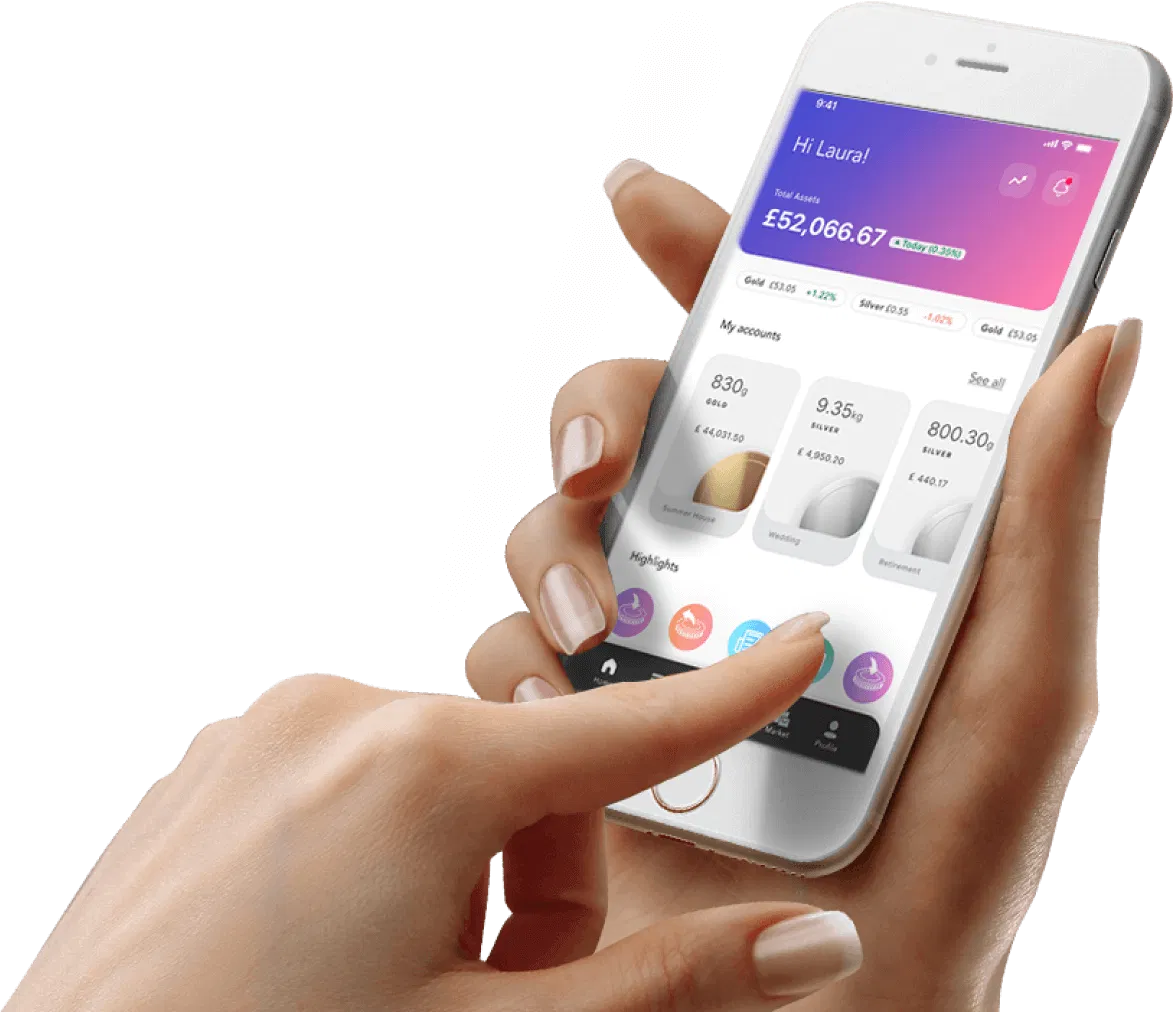
With the Minted app, you can buy, sell, transfer and manage physical gold from your phone. A monthly gold plan starts from £10, with no contracts, so you can choose an amount and change, pause or cancel your plan if your circumstances change.
Your gold is 999.9 purity and sourced from LBMA-approved refiners. You own the gold, which is stored in insured Grade 10 vaults and independently audited by Alex Stewart International. You can also request home delivery of gold in 10g bars, subject to the relevant terms and delivery arrangements.
Minted doesn’t charge platform or annual fees, but that doesn’t mean every transaction is free. Purchase premiums and other applicable costs can affect what you pay and receive when you sell. Check the latest details on our fees page before placing an order.
Minted App Ltd is registered with the FCA for issuing electronic money (FRN 901081). That registration relates to its e-money activity; it doesn’t mean that gold itself is an FCA-regulated investment or protect you from a fall in the gold price. Find out more about how Minted handles metal ownership, storage and insurance on our assurance page.
Physical gold or a gold exchange-traded product?
Neither option is risk-free. A product backed by physical gold is still a financial instrument, not necessarily personal ownership of specific coins or bars. Read the product documents and check how it works before investing.
UK tax and storage basics
VAT
Qualifying investment gold is generally exempt from VAT, but not every gold product automatically qualifies. HMRC sets criteria for investment gold coins, including purity, legal-tender status and the coin’s normal selling price. Check the rules for the specific product in HMRC’s investment gold coin notice.
Capital Gains Tax
Certain UK legal-tender gold coins, such as qualifying Britannias and Sovereigns, are generally exempt from Capital Gains Tax (CGT). Gold bars and other products don’t automatically qualify for the same exemption. Tax treatment depends on the asset and your circumstances, so don’t assume that all physical gold is CGT-free.
For the 2026–27 tax year, the CGT annual exempt amount for most individuals is £3,000. This applies to chargeable gains; it doesn’t turn an otherwise taxable asset into a tax-free one. See HMRC’s current CGT rates and allowances, and consider speaking to a tax adviser if you’re unsure.
Storage
If you keep gold at home, think about security and whether your home insurance covers it. If you use a vault, check who owns the metal, how it’s insured, whether holdings are independently checked and what happens if you request delivery or sell.

Is gold right for you?
Gold can rise or fall in value, and past performance doesn’t predict what happens next. It doesn’t pay interest or dividends, and buying and selling costs can reduce your return. Consider whether gold suits your goals and risk tolerance, and avoid putting in more than you can afford to lose.
If you’d like to explore physical gold in smaller amounts, see how the Minted app works and review the current fees before you get started. If you have questions about using Minted, contact our team.